
When most people think about entertaining at home, their minds turn to cozy winter gatherings or summer barbecues. But in Las Vegas, entertaining isn’t tied to just one season. Thanks to the desert climate and a culture that embraces both indoor and outdoor living, many homeowners in Southern Nevada enjoy hosting family, friends, and neighbors […]
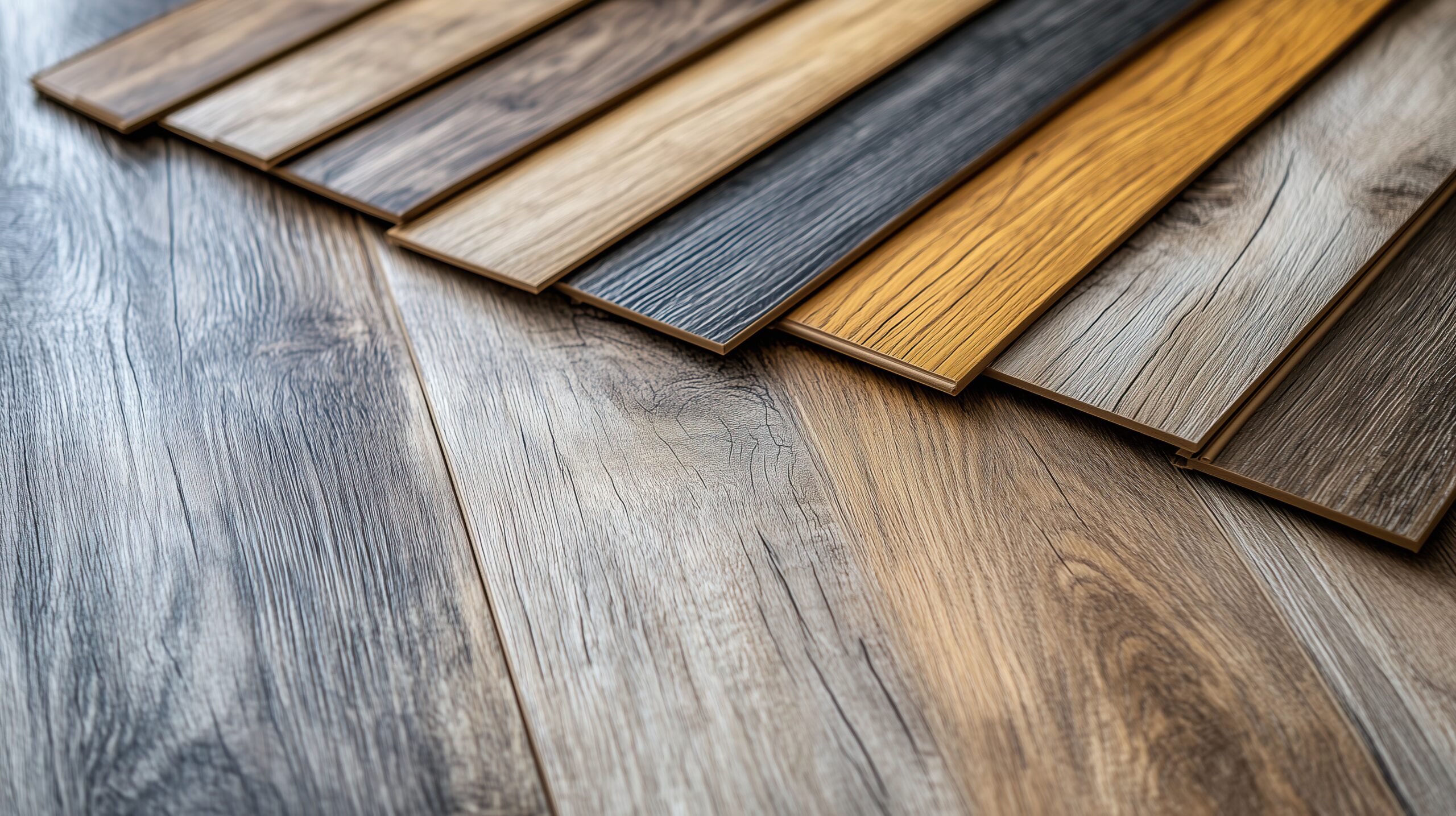
When it comes to selecting the right flooring for your home, few decisions have more impact on daily life. In the Las Vegas area, where the climate is hot and dry and style is as important as function, homeowners often find themselves torn between two standout options: tile and luxury vinyl plank (LVP).
Both offer durability, versatility, and great design—but they each come with their own pros, cons, and ideal use cases. So which is the better choice for your modern Las Vegas home? Let’s break it down.
Understanding the Basics
Before diving into a direct comparison, let’s take a quick look at what sets tile and LVP apart:
-
Tile flooring (usually porcelain or ceramic) is made from clay and fired at high temperatures, resulting in an extremely hard surface that’s long-lasting and often moisture-resistant. It comes in a wide range of sizes, colors, and patterns.
-
Luxury Vinyl Plank (LVP) is a synthetic flooring that mimics the look of natural materials like wood or stone. It’s made up of multiple layers for durability, with a top protective coating and a printed design layer that gives it realistic texture and visuals.
Round 1: Durability and Longevity
Tile is one of the most durable flooring materials on the market. It resists scratches, dents, and high temperatures. In fact, with proper installation and care, tile floors can last 20–30 years or more. It’s ideal for homes with heavy foot traffic, kids, and pets.
LVP also ranks high in durability, with most products designed to resist scratches, moisture, and dents. While it may not last as long as tile, high-quality LVP can still offer 15–20 years of excellent performance—especially with proper maintenance.
Winner: Tie – Tile edges out in lifespan, but LVP offers plenty of durability for the average household.
Round 2: Comfort and Feel
Tile can be hard and cool underfoot. While that may be a perk during the heat of Las Vegas summers, it can also be unforgiving for long periods of standing or for young children and pets who spend time on the floor. Area rugs can help, but overall, tile lacks flexibility and warmth.
LVP is softer and warmer underfoot thanks to its layered construction and sometimes even built-in underlayment. It’s quieter to walk on and more forgiving on joints, making it a great option for families and aging-in-place design.
Winner: LVP – It’s more comfortable, cushioned, and family-friendly.
Round 3: Water and Heat Resistance
Tile is naturally waterproof, making it an excellent choice for kitchens, bathrooms, laundry rooms, and even poolside indoor-outdoor transitions. It also handles Las Vegas heat with ease—it won’t warp or fade from sun exposure and stays relatively cool in direct light.
LVP is often water-resistant or waterproof, depending on the product. It’s well-suited to humid environments or homes where spills are a concern. However, LVP can be sensitive to extreme heat, and direct, prolonged exposure to sunlight may cause fading or warping without proper window treatments.
Winner: Tile – It’s unbeatable for handling water and intense desert sun.
Round 4: Style and Appearance
Tile comes in endless designs—from sleek, modern looks to natural stone or patterned styles. It’s also available in large-format options, which work beautifully in open-plan desert homes by creating clean, seamless lines. Recent innovations have even made tile that looks like wood, combining durability with natural appeal.
LVP has truly transformed in recent years. Many products are nearly indistinguishable from real wood or stone, offering texture, color variation, and realistic graining. For homeowners who want the look of hardwood without the upkeep, LVP is a top contender.
Winner: Tie – Both tile and LVP offer gorgeous options; it comes down to personal taste.
Round 5: Installation and Maintenance
Tile installation requires precision, time, and usually a professional hand. It involves subfloor prep, mortar, grout, and curing time. Maintenance is generally simple, but grout lines can require occasional deep cleaning and resealing.
LVP installation is typically quicker and less labor-intensive. Many varieties feature a click-lock system or can be glued down. LVP can often be installed over existing floors, making it a popular choice for renovations. Maintenance is a breeze—just sweep and mop.
Winner: LVP – It wins for both ease of installation and minimal maintenance.
Round 6: Cost Considerations
Tile tends to cost more upfront—both in materials and installation. However, because of its longevity, it can pay off in the long term if you plan to stay in your home for decades.
LVP is generally more affordable. It offers a high-end look at a lower price point, making it an attractive option for those on a budget or homeowners who plan to upgrade again in 10–15 years.
Winner: LVP – More cost-effective for most homeowners.
Bonus Round: What’s Best for Las Vegas Homes?
In a desert climate like Las Vegas, a few unique considerations come into play:
-
Cooling benefits: Tile naturally stays cooler and helps keep interiors comfortable during scorching summers. That said, LVP doesn’t retain heat the way carpet or hardwood does, making it a fine alternative in cooled interiors.
-
Sun exposure: Tile is more UV-resistant, while LVP requires some sun protection (curtains, shades) in areas with direct light.
-
Indoor-outdoor flow: Tile is often used in both interior and covered exterior spaces, allowing for a seamless transition from your kitchen to your patio.
-
Dust and dirt: Both materials are easy to clean, making them great for desert living.
So… Tile or LVP?
Here’s a quick summary:
| Feature | Tile | LVP |
|---|---|---|
| Durability | Excellent | Very Good |
| Comfort | Hard and cool | Soft and warm |
| Water Resistance | Waterproof | Water-resistant or waterproof |
| Sun/Heat Resistance | Excellent | Moderate |
| Style Options | Vast, including wood-look | Realistic wood/stone designs |
| Installation | More complex | Easier and faster |
| Maintenance | Low, but grout needs care | Very low |
| Cost | Higher | Budget-friendly |
Bottom line?
Choose tile if you want long-lasting, ultra-durable flooring that keeps your home cool and sleek in the desert heat. Go with LVP if comfort, affordability, and ease of installation are top priorities—especially for families or quick remodels.
Let Us Help You Decide
Still torn between tile and LVP? At Carpets N More, we’re here to help you find the perfect flooring solution for your lifestyle, your space, and your budget. With an incredible selection of both options in our Las Vegas showrooms, our design experts can guide you through samples, answer your questions, and even schedule professional installation.
Stop by today or book your free consultation online. Let’s find the floor that fits your life—and your style.